
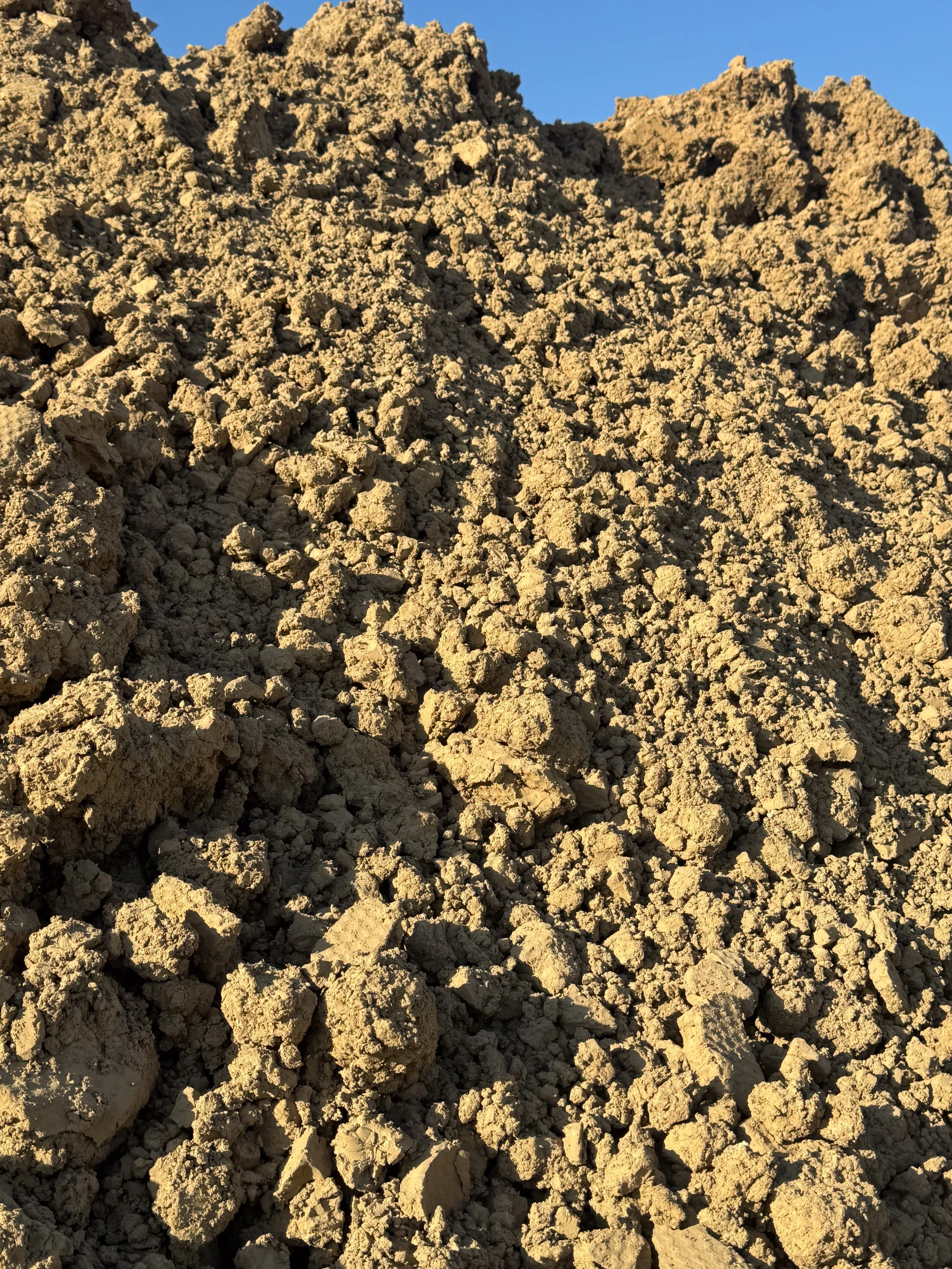
Engineered clay that is built for the job.
Landfill operations are defined by containment. The materials that form barriers, covers, and liners are the engineered system — their performance is only as reliable as the quality and consistency of the components they are built from. Hudson Aggregates produces engineered clay processed for consistency, characterised for performance, and available at the volumes landfill-scale consumption demands.
1 × 10⁻⁸ cm/s
Hydraulic conductivity when compacted to spec
EPA compliant
Meets clay barrier thresholds in EPA and state guidance
4 applications
Daily cover through final cap and cell construction
Characterised
PI, grading, and permeability data supplied
Hydraulic Conductivity: The Number That Matters
In landfill engineering, clay performance comes down to one critical parameter: hydraulic conductivity. For clay to function as an effective barrier — liner, cap, cell wall, or cover layer — it must achieve and maintain sufficiently low permeability to prevent leachate migration under the hydraulic gradients present in a working cell.
Our engineered clay achieves approximately 1 × 10⁻⁸ cm/s when compacted to specification — firmly within the performance range for regulated containment applications, meeting low-permeability thresholds referenced in EPA guidance and state landfill design standards. For your design engineer, that is a characterised, documentable value. Not an estimate. Not a site-average from variable inbound material.
EPA barrier thresholds met | State design standards met | Documentable for regulatory submission
1 × 10⁻⁸ cm/s hydraulic conductivity
Achieved when compacted to specification. Within regulated containment performance range.
A characterised, documentable permeability value — not an estimate from variable inbound material.
Applications Across the Landfill Lifecycle
Engineered clay delivers value at more stages of a landfill operation than operators sometimes account for in their material planning.
Daily Cover
A regulatory constant across the working life of a landfill. Our engineered clay compacts reliably and seals the active face consistently — without chasing variable material behaviour load to load.
Final Cap and Top Cover
The most enduring cover application a landfill sees. Suitable for composite cap systems and standalone low-permeability cap layers. Full characterisation data supplied for regulatory submission and design sign-off.
Intermediate Cover
For cells temporarily out of active use. Consistency matters over a longer timeframe here — our low hydraulic conductivity gives intermediate cover layers genuine barrier performance, not just nominal compliance.
Landfill Cell Construction
A serious candidate for cell side slopes and base preparation where a natural or recompacted clay liner is part of the containment design. Locally sourced, consistently characterised — worth evaluating against synthetic alternatives at the cell planning stage.
The "We Have Enough Clay" Problem
Landfill sites accumulate inbound material continuously, and a significant proportion will carry clay content. It is a reasonable assumption — and an expensive one to rely on.
Inbound soil with clay
Variable plasticity, inconsistent fines, unpredictable organic matter, no reliable hydraulic conductivity data. What tests well from one load may perform very differently from the next.
Your team is constantly managing variability — adjusting placement, managing moisture, accepting uncertainty in what is supposed to be a defined engineered layer.
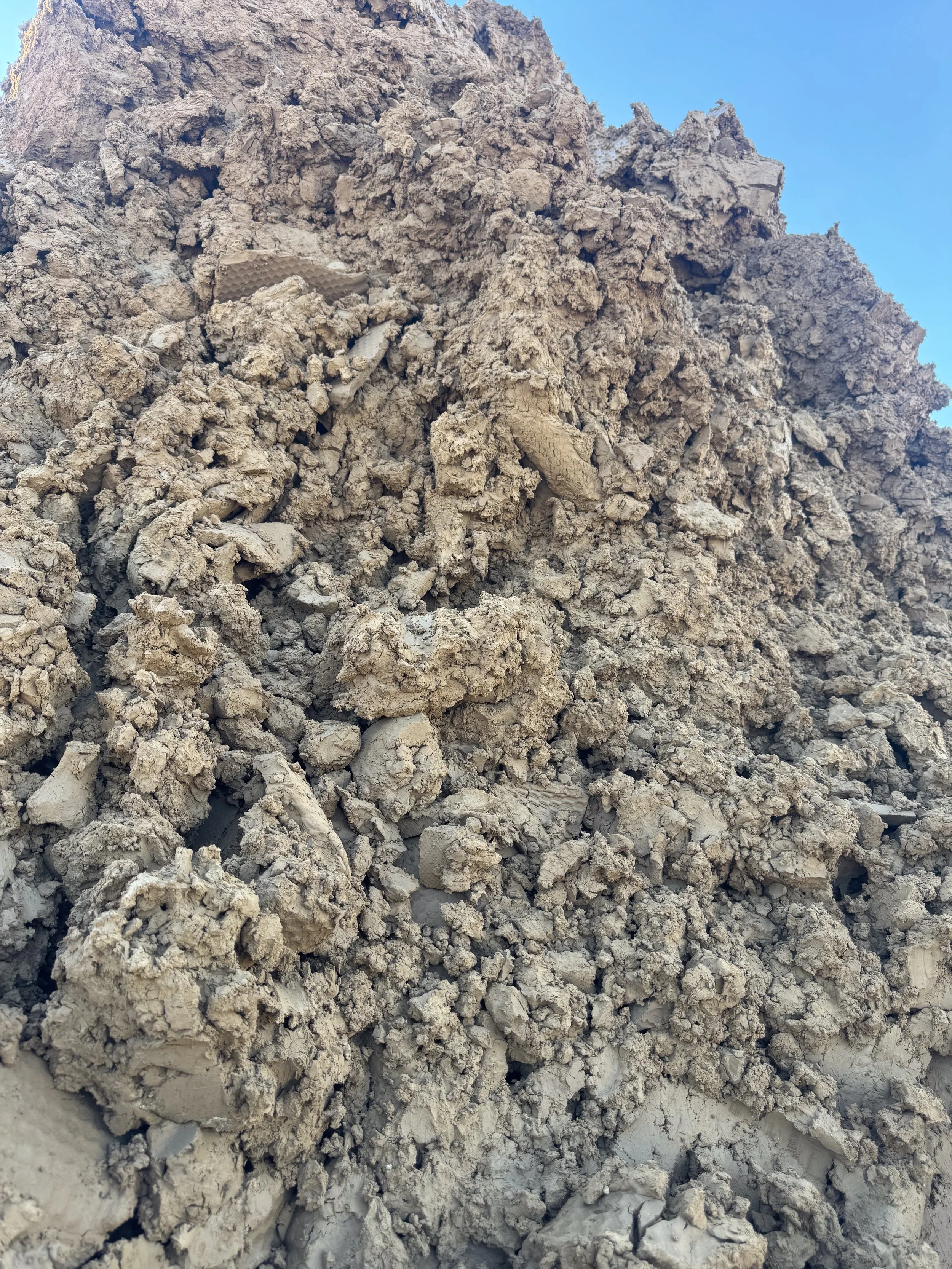
Hudson engineered clay
Produced to a consistent specification from controlled natural deposits. Arrives characterised — known plasticity index, grading, and permeability data. Behaves the same way under compaction today as it did last month and will next quarter.
For operators managing regulatory compliance, post-closure liability, and day-to-day efficiency simultaneously, that consistency has a value that goes well beyond the material cost per tonne.
Volume Supply for a Demanding Operational Rhythm
Landfill operations do not pause. Daily cover is a regulatory obligation tied to each day's active tipping — it does not move with the weather or the programme. Intermediate and final cover works are volume-intensive, often time-constrained by permit conditions, and rarely forgive supply shortfalls.
Our production capacity is structured for sustained, high-volume supply. We plan material availability around your operational calendar — cell sequencing, cover schedules, daily volume requirements — so material is never the variable that puts your compliance position at risk.
Sustained high-volume capacity | Planned around your cell schedule | Local DFW supply | Compliance risk removed
Material availability should never be the variable that puts your compliance position at risk.
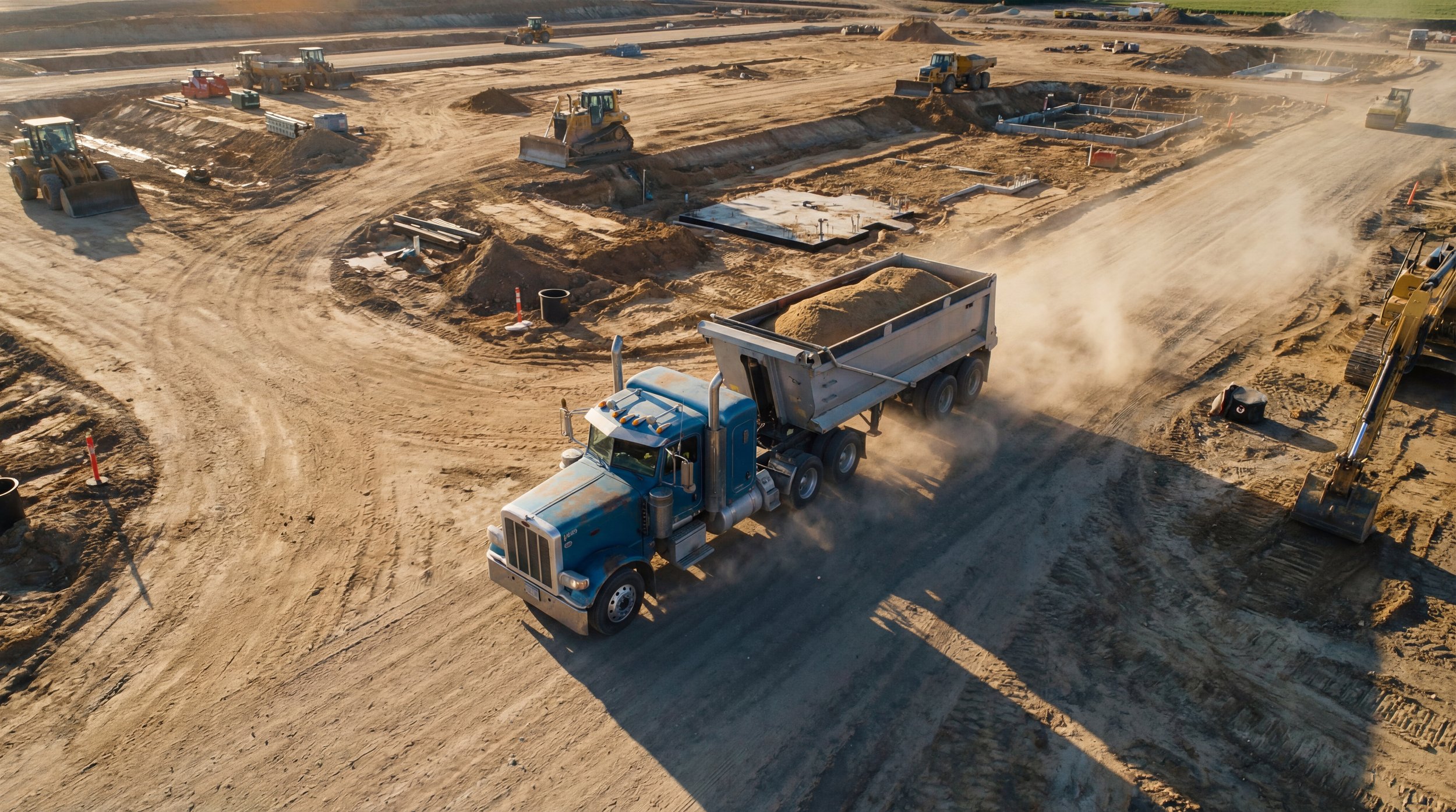

– Ready to Work Together
The only facility in DFW that closes the loop.
No broker. No middleman. We take the waste, run the plant, and produce the aggregate — all from one permitted facility in Kennedale.
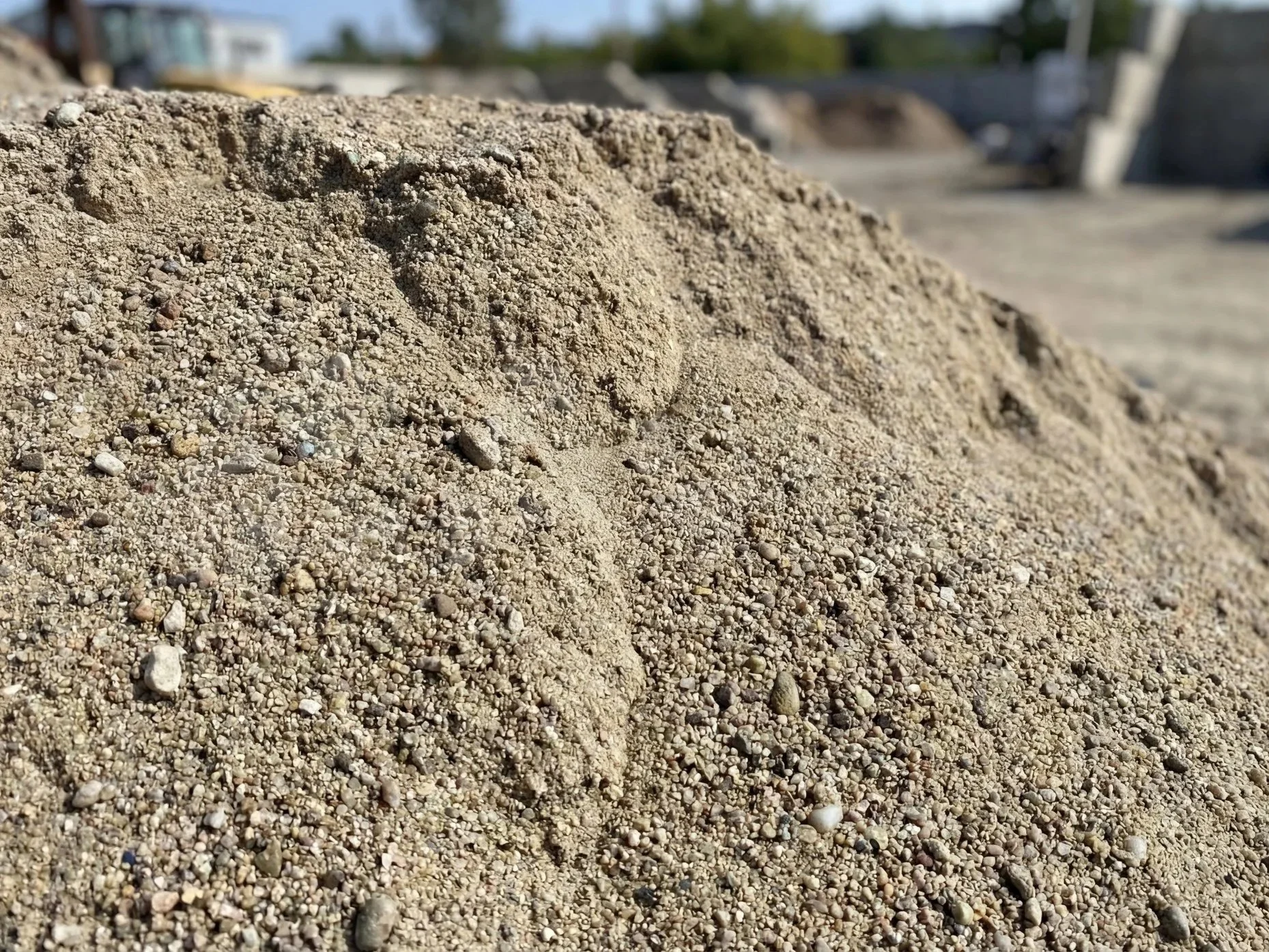
– Contractors and Buyers
Get your quote.
Build with it.
Local supply, natural material, ASTM-certified. Tell us what you need and we'll have pricing back within two hours.
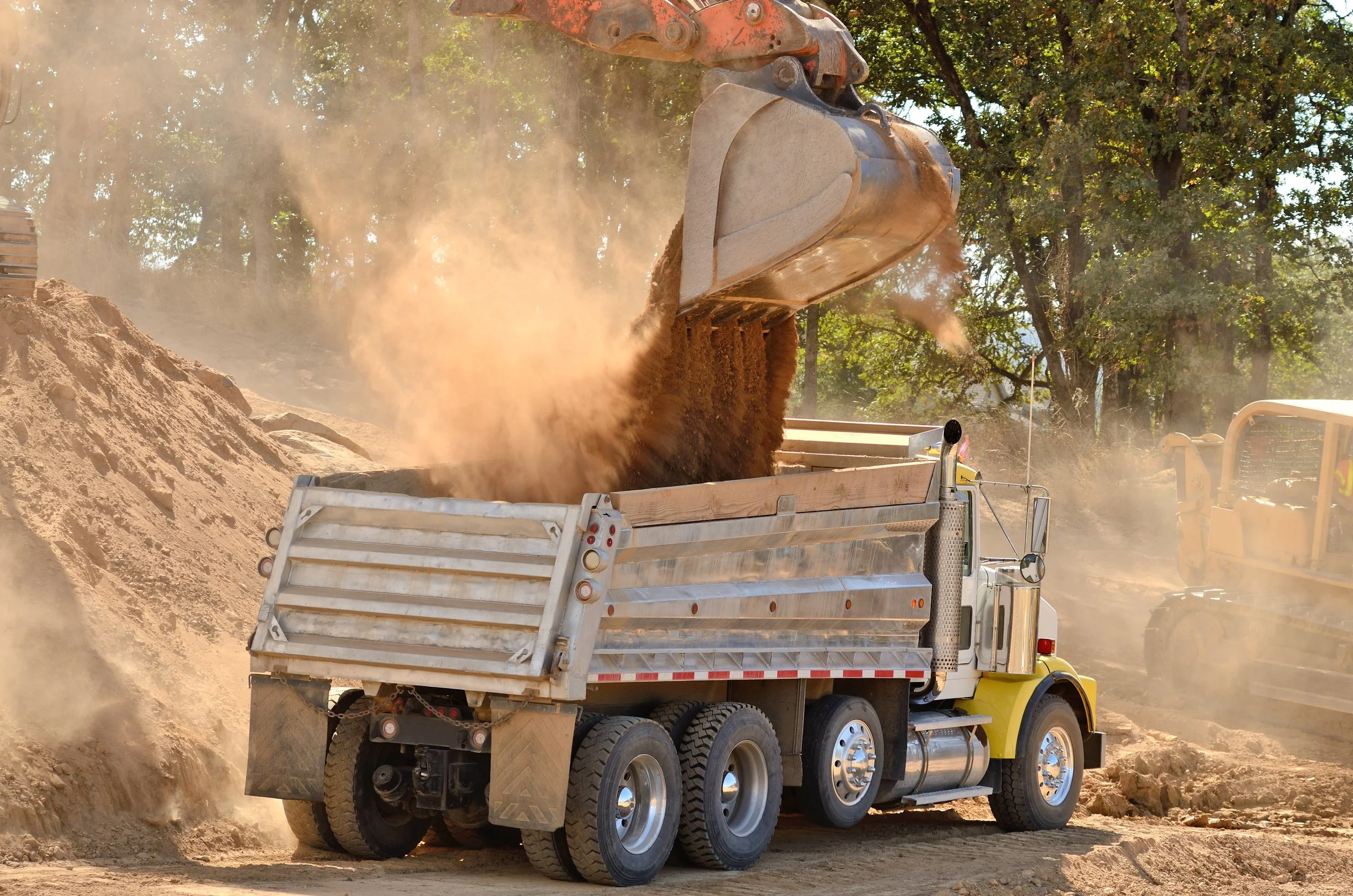
– Haulers and Disposers
Stop driving past us. Drop it off.
Local supply, natural material, ASTM-certified. Tell us what you need and we'll have pricing back within two hours.
Or call us directly at:
817-343-8797
– Get a Material Assessment
Share your project details and we will come back to you promptly.
Tell us where the project is, roughly what volumes you are generating, and share any geotechnical data you have. Our team will give you an initial view on suitability — at no cost and with no obligation.
7530 HUDSON CEMETERY RD, KENNEDALE TX 76060 — CONVENIENTLY LOCATED FOR THE ENTIRE DFW SOUTH CORRIDOR. SHORTER HAULS MEAN LOWER FUEL COSTS FOR YOUR FLEET.